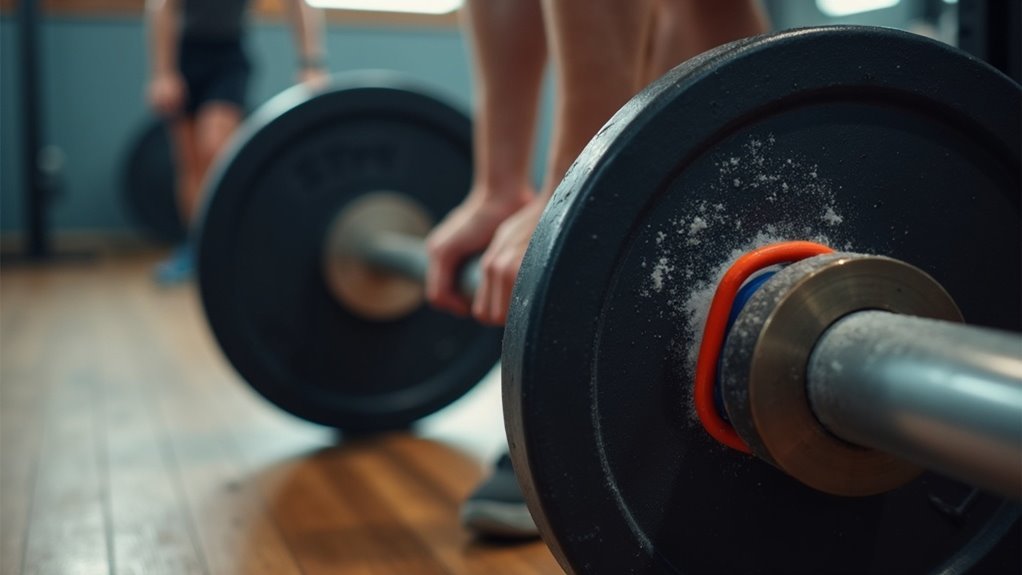
To prevent plates from rattling during deadlifts in your home gym, start by investing in high-quality barbells that ensure a snug fit between the bar sleeves and the weight plates. Opt for rubber-coated or bumper plates, as they effectively absorb noise and vibrations, making your workout quieter. Regularly check your equipment for any loose components and always use collars to secure the plates. Additionally, consider incorporating impact-absorbing mats in your workout space to further dampen sound. By following these tips, you can create a more peaceful lifting environment and enhance your overall exercise experience at home.
Key Takeaways
- Invest in high-quality barbells with tight tolerances to minimize rattling during your deadlifts at home.
- Use collars to ensure a secure fit between the bar sleeves and weight plates, enhancing your lifting experience.
- Choose rubber-coated or bumper plates, which effectively absorb noise and vibrations, making your home gym quieter.
- Regularly inspect and tighten your equipment to prevent loose components that can lead to rattling while you work out.
- Consider utilizing lifting mats or platforms specifically designed to reduce sound and vibration transmission, creating a more comfortable home gym environment.
The Impact of Noise in Commercial Gyms
While you might be focused on your deadlift at home, it’s important to recognize how noise can influence not just your workout but also the overall experience in your living space.
Excessive noise from dropped weights can disrupt your concentration and create an unpleasant environment for others in the home. Additionally, vibrations from heavy lifting can potentially lead to structural issues, increasing maintenance costs and compromising safety.
Many individuals are concerned that this noise might deter family members or roommates from engaging in healthy activities, which can affect their fitness journey.
Effective Noise Reduction Techniques for Deadlifting
Noise reduction is crucial for creating a comfortable atmosphere in your home gym, particularly when performing deadlifts. To lift heavier weights while minimizing distractions, invest in high-quality barbells with tight tolerances; this significantly cuts down on rattling noise.
Minimize distractions in your home gym by using high-quality barbells with tight tolerances for quieter deadlifts.
Ensure a snug fit between bar sleeves and weight plates to avoid any unnecessary movement during your lifts. Additionally, using rubber-coated weights can effectively absorb noise and vibration, enhancing your workout experience.
Make it a habit to regularly check your equipment for loose components to catch potential noise issues early.
Lastly, consider incorporating bumper plates specifically designed for weightlifting, as they significantly reduce noise upon impact, allowing you to concentrate on your lifts without disruptive sounds.
Choosing the Right Equipment for Quieter Lifts
Selecting the right equipment is essential for achieving quieter lifts during deadlifts in your home gym. Invest in high-quality barbells with tight tolerances to minimize rattling from loose weight plates.
Consider using rubber-coated or bumper plates, as their design absorbs impact better than standard metal plates, significantly reducing noise when you drop weights. Ensure a secure fit between the bar sleeves and weight plates; utilizing barbell collars can help prevent plates from shifting during your lifts.
Regular maintenance is crucial—inspect your equipment for any signs of wear and tear.
Lastly, think about incorporating specialized lifting platforms that reduce vibrations and sound transmission, creating a more enjoyable and peaceful lifting experience in your home gym.
Utilizing Mats and Platforms for Sound Absorption
To minimize plate rattling during deadlifts and enhance your home gym experience, consider utilizing impact-absorbing flooring solutions.
High-quality mats specifically designed for weightlifting can significantly dampen noise and vibrations, making your lifting sessions more enjoyable.
Additionally, creating a custom lifting platform with sound-absorbing materials can provide a stable surface that further reduces unwanted sounds, allowing you to focus on your workout without distractions.
This approach is perfect for both men and women looking to maintain a healthy lifestyle through exercising at home.
Impact-Absorbing Flooring Solutions
While you concentrate on your deadlifts, selecting the right flooring solutions can significantly enhance your home gym experience by reducing the clatter of weights.
Rubber mats specifically designed for weightlifting absorb impact and minimize vibrations, effectively lowering noise from dropped weights. Consider using dense flooring materials, such as interlocking foam or horse stall mats, for added cushioning.
A well-constructed lifting platform can also help limit sound transmission and barbell bounce, creating a quieter environment for your workouts.
To further decrease noise, choose bumper plates made of dense rubber, as they’re less likely to rattle compared to traditional metal plates during your lifts.
This way, you can focus on your fitness goals without distractions.
Ideal Mats for Deadlifting
When you’re deadlifting at home, the choice of mats can significantly impact your workout environment by minimizing noise and vibrations.
Ideal mats, such as dense rubber or horse stall mats, are specifically designed to absorb the impact from heavy weights, which helps maintain a peaceful atmosphere in your home gym.
Incorporating specialized deadlift platforms can enhance this effect, further reducing noise and vibration. Additionally, using bumper plates can help mitigate rattling sounds, as they absorb much of the impact when dropped.
Keeping personal mats in your home gym ensures you always have access to these effective sound-reducing solutions, creating a considerate training environment for yourself and others in your household.
Building Custom Lifting Platforms
Building a custom lifting platform can significantly enhance your deadlifting experience at home by minimizing noise and vibrations, creating a more enjoyable workout environment.
Here are three key components to consider for a quieter home gym floor:
- Dense Rubber Mats: These mats are effective at absorbing sound and vibrations, helping to reduce noise when weights are dropped, allowing you to lift without disturbing others in your home.
- Interlocking Foam Mats: Adding these beneath your platform provides extra cushioning and further decreases rattling, making your home gym more comfortable and quieter.
- Material Combination: Utilize engineered materials specifically designed for sound dampening to achieve optimal sound absorption, ensuring your workout sessions are as peaceful as possible.
With these modifications, you can create a home gym that not only supports your fitness goals but also maintains a serene atmosphere.
The Role of Gym Etiquette in Managing Noise Levels
Maintaining proper etiquette in your home gym is essential for creating a positive workout environment, especially when it comes to managing noise levels during heavy lifting. Excessive sounds can be disruptive, even in a personal space, and can create a negative atmosphere.
By respecting noise control guidelines—whether they’re self-imposed or based on the preferences of others in your home—you can cultivate a more enjoyable space for your workouts.
Using quality home gym equipment designed to minimize noise, such as rubber weights and mats, can significantly reduce the sound of weights being dropped or moved. Practicing controlled lifting techniques and being mindful of the descent of weights can further help in keeping noise to a minimum.
Engaging with any family members or housemates about effective noise reduction methods promotes a sense of community and shared responsibility for maintaining a positive home workout environment.
Additionally, if noise becomes a concern, discussing it openly can lead to finding practical solutions that ensure everyone feels comfortable while pursuing their fitness goals at home.
Community Solutions for Noise Concerns in Gyms
Addressing noise concerns in home gyms requires a collaborative effort from both users and manufacturers.
Here are some community solutions to minimize heavy noise during workouts:
- Invest in High-Quality Home Gym Equipment: Opt for equipment designed with tight tolerances to reduce rattling and noise during use.
- Secure Weight Plates with Collar Clamps: This helps keep plates in place, minimizing movement and noise while you lift.
- Choose Rubber Bumper Plates: Their rubber composition absorbs sound, making them quieter than traditional metal plates, perfect for home settings.
Regularly inspecting and maintaining your home gym equipment can also foster a quieter environment, enhancing your workout experience while keeping your space peaceful for others in your home.
Importance of Communication With Gym Management
While you might think noise is just a byproduct of heavy lifting, effective communication with your home gym setup can greatly influence your workout environment.
By expressing concerns about rattling plates during deadlifts, you can consider investing in better quality equipment or noise-reducing solutions that enhance your home experience.
Engaging in discussions with fellow fitness enthusiasts about potential noise mitigation strategies can lead to improved workout atmospheres that benefit both serious lifters and those exercising at home.
Providing constructive feedback on how noise impacts your workout experience helps create a positive and motivating environment.
Establishing a routine that includes noise management may also allow for a more enjoyable experience, ensuring you can focus on your fitness goals without distractions.
Personal Strategies for Reducing Noise While Lifting
To effectively reduce noise while lifting at home, you can implement several practical strategies that enhance your workout experience.
These techniques not only minimize distractions but also support your strength training efforts to build muscle, making your home gym a more pleasant environment for both you and those around you.
- Invest in high-quality barbells with tight tolerances to ensure a secure fit between the bar and plates, helping to prevent any rattling noises during your lifts.
- Use rubber-coated weight plates, as they significantly dampen sound when lifting or dropping weights, making your workouts quieter and less disruptive.
- Regularly maintain your equipment by checking for proper fit between the bar sleeves and plates, which can help eliminate any unnecessary noise and prolong the life of your gear.