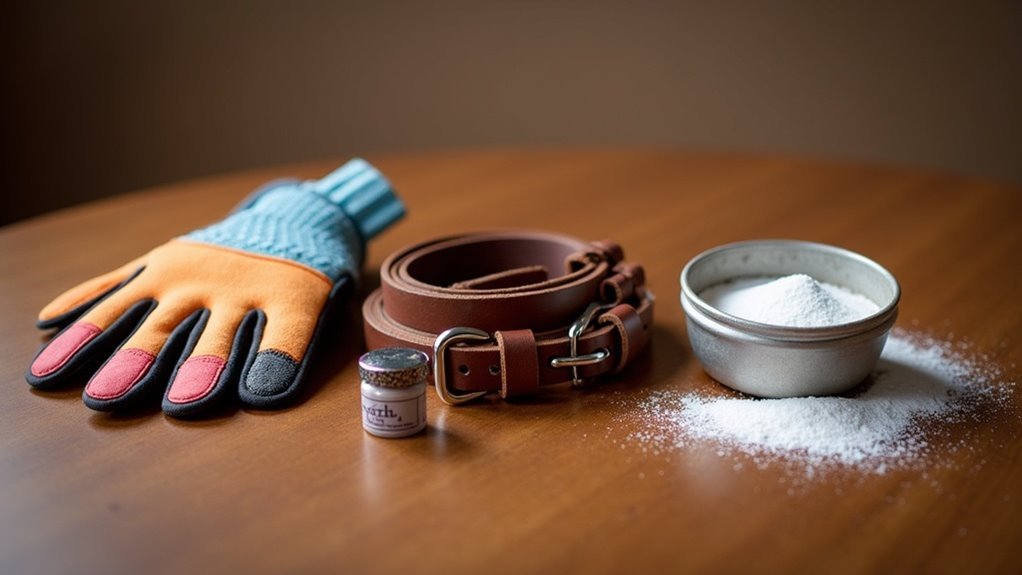
Choosing between gloves, straps, or raw grip is essential for maximizing your home workout experience and achieving your fitness goals. If you’re looking for comfort and protection from calluses during your at-home exercises, gloves can be a great option. Straps are particularly beneficial for heavy lifting sessions, as they help reduce grip fatigue, allowing you to concentrate on your target muscles without worrying about your grip strength. On the other hand, using raw grip can enhance your natural strength and stability, which is crucial for functional fitness and everyday movements. Consider your personal needs, preferences, and the types of exercises you perform at home, and you’ll discover which option suits you best. Continue exploring to gain more insights tailored to your home gym journey.
Key Takeaways
- Assess your fitness goals: If you’re focused on comfort during your home workouts, gloves can provide that extra layer. For those lifting heavier weights, straps can significantly enhance grip strength.
- Consider the exercises you’ll be performing: Gloves are a versatile choice for various home workouts, while straps are particularly beneficial for challenging exercises like deadlifts and barbell rows.
- Evaluate your grip strength: If you find your grip is a limiting factor, straps can help alleviate fatigue and improve your overall performance during at-home workouts.
- Prioritize comfort and fit: Opt for gloves or straps that feel secure and comfortable to ensure a positive workout experience in your home gym.
- Test out different options: Experiment with gloves, straps, and raw grip techniques to discover what enhances your at-home fitness routine the most.
Understanding the Differences: Gloves, Straps, and Raw Grip
When you’re setting up your home gym and determining whether to use gloves, straps, or rely on raw grip for your lifting routine, it’s crucial to understand how each option impacts your performance and comfort.
Lifting gloves can offer hand protection and enhance comfort, helping to prevent calluses during various exercises. On the other hand, lifting straps can significantly boost grip strength for heavy pulls by securing the weight to your wrist, which helps reduce grip fatigue.
While using raw grip emphasizes the development of natural strength and promotes proper lifting technique, it might limit the amount of weight you can effectively handle.
Finding the right balance between these options is vital for effective strength training and sustained progress, ensuring that you develop both grip strength and proper form while exercising at home.
When to Use Lifting Gloves
Lifting gloves are an excellent addition for both men and women who prioritize comfort and hand protection during their home workouts.
Lifting gloves provide essential comfort and hand protection, making them a must-have for home workouts for everyone.
They’re perfect for casual lifters and fitness enthusiasts looking to enhance their at-home exercise experience, providing support while minimizing the risk of calluses and blisters.
If you’re engaging in strength training with home gym equipment, especially machines, these gloves can improve grip security without hindering your performance.
Their versatile design makes them suitable for a variety of pushing and pulling exercises, ensuring you remain protected and comfortable throughout your routine.
Additionally, lifting gloves can enhance grip even in humid conditions, preventing slips during your lifts.
When to Use Lifting Straps
When you’re pushing your limits with heavy lifts in your home gym, using lifting straps can make a significant difference.
They’re especially helpful when grip strength becomes the weak link, allowing you to focus on your target muscles without succumbing to grip fatigue.
Heavy Lifting Scenarios
Grip strength can often become a limiting factor in heavy lifting scenarios, particularly during exercises like deadlifts and barbell rows, which can be performed effectively at home.
Lifting straps are essential tools that help you lift heavier weights by reducing your reliance on grip strength. This allows for optimal muscle engagement, especially in pulling exercises, where grip fatigue can hinder performance.
Straps are particularly beneficial in home workouts, including powerlifting exercises and Olympic lifts, like snatches and cleans, enabling you to push through strength plateaus.
Use lifting straps strategically in your home gym, reserving them for your heaviest sets to maintain your natural grip strength while preventing excessive fatigue during high-rep training.
This approach ensures that you can maximize your home workout and continue progressing towards your fitness goals.
Grip Strength Limitations
Struggling with grip strength can significantly affect your performance during home workouts, especially when lifting weights.
Lifting straps can be a game-changer for overcoming grip strength limitations, particularly during heavy pulling exercises like deadlifts and rows. They help minimize grip fatigue, allowing you to concentrate on engaging your muscles and completing more reps.
If you find yourself hitting a strength plateau, straps can assist you in lifting heavier weights that might otherwise seem unmanageable. However, it’s essential to use them primarily during maximal lifts or when approaching failure to prevent dependency.
Many fitness enthusiasts find lifting straps invaluable for providing the necessary grip support while effectively isolating targeted muscle groups in their home gym routines.
The Benefits of Using Raw Grip
While many home gym enthusiasts rely on straps and gloves for support, using a raw grip can significantly enhance your strength and performance during workouts. Engaging in raw grip training promotes natural grip strength, which boosts grip endurance and functional strength gains that are especially valuable when exercising at home.
This approach enhances neuromuscular coordination, leading to improved lifting performance and better muscle activation in your own space. Training without equipment also fosters hand and wrist stability, which is vital for maintaining proper lifting technique and preventing injuries—key factors when you’re working out solo.
Comparing Performance: Gloves vs. Straps vs. Raw Grip
When considering the best equipment for your home gym routine, it’s crucial to evaluate the benefits and drawbacks of gloves, straps, and raw grip. Each option offers unique advantages that cater to your fitness goals:
- Lifting Gloves: Provide comfort during workouts, prevent calluses, and are suitable for a variety of exercises, making them ideal for home gym enthusiasts.
- Lifting Straps: Help reduce grip fatigue, enabling you to lift heavier weights and focus more on your target muscles, which is beneficial for those looking to build strength at home.
- Raw Grip: Promotes grip strength development and enhances hand and forearm strength over time, perfect for those who want to maximize their functional fitness.
- Wrist Support: While gloves offer comfort, relying too much on straps can lead to dependency, potentially impacting your overall strength gains.
- Grip Limitations: Although straps can aid in lifting heavier loads, they may inhibit natural strength development; conversely, relying solely on raw grip may limit the weight you can handle during intense pulls.
Choose wisely to enhance your home workout performance and achieve your fitness goals!
Factors to Consider When Choosing Your Grip Method
Choosing the right grip method for your home workouts can significantly enhance your performance and safety. Here are some essential factors to consider:
| Factor | Considerations |
|---|---|
| Lifting Goals | Use straps for heavy lifts; choose gloves for enhanced comfort |
| Type of Exercises | Opt for straps during pulling exercises; gloves can be versatile for various workouts |
| Grip Strength | If grip fatigue affects your lifting, straps can provide the necessary support |
| Level of Protection | Gloves offer cushioning for your hands; straps provide minimal protection but maximize grip |
Take into account your personal preferences, how often you work out, and the specific exercises you engage in. By doing so, you can optimize your home gym experience while ensuring proper wrist support and protection for your fitness journey.
Recommendations Based on Training Goals
Understanding your training goals is essential for selecting the right grip method, especially when working out at home. Each approach offers distinct advantages tailored to specific fitness objectives.
Here are some recommendations based on your focus:
- Lifting Straps: Ideal for strength enthusiasts focusing on heavy deadlifts and maximizing their lifting potential.
- Lifting Gloves: Best for home exercisers seeking comfort and protection against calluses during their workouts.
- Raw Grip: Perfect if developing your natural grip strength is a priority, allowing for a more authentic lifting experience.
- Combination: Use gloves for general workouts to enhance comfort, and straps for heavier sets to balance grip strength and protection.
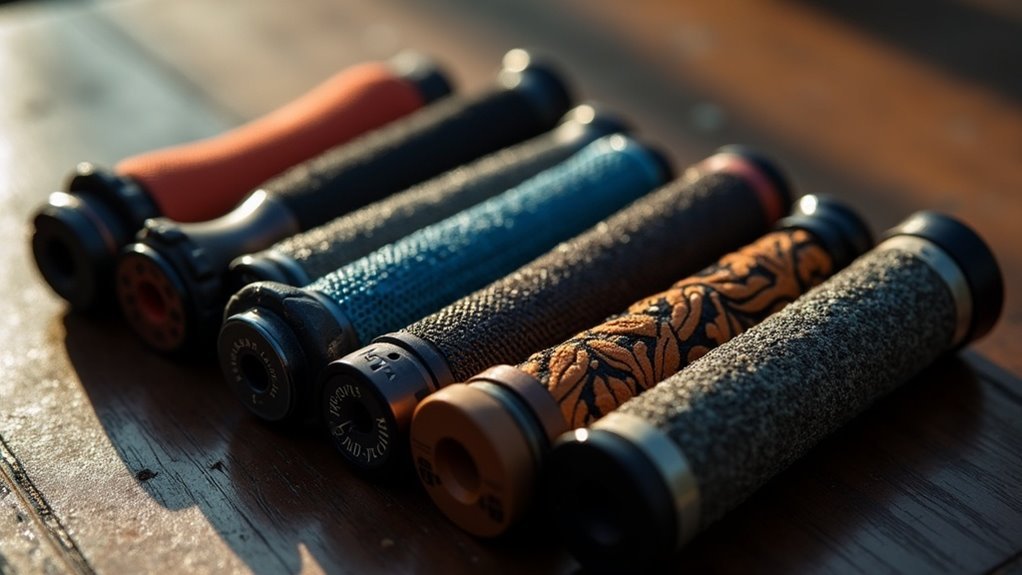
- Gym Grips: Great for high-rep movements in your home gym, offering protection while maintaining a solid grip feel.
Choose wisely to effectively meet your training goals and enhance your home workout experience!